
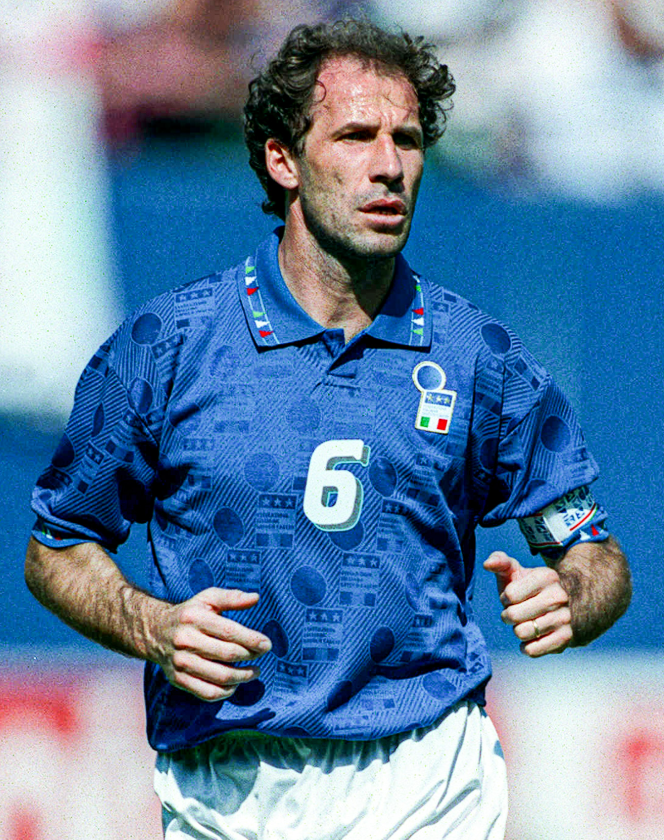
There are footballers who redefine what the sport itself believes is possible. Franco Baresi belonged to that third category — and the world of football is poorer for his passing.
Born in Travagliato, in the province of Brescia, on the 8th of May 1960, Baresi arrived at Milan's youth academy as a 14-year-old boy and never truly left. He described walking through the gates of Milanello for the first time as "entering paradise." What he could not have known then was that he would spend the next five decades giving that paradise everything he had — as a player, as a captain, as a vice-president, as an ambassador, as a symbol. When AC Milan retired the number 6 shirt upon his retirement in 1997, they were not simply honouring a footballer. They were acknowledging that certain things should never be attempted again, because they can never be equalled.
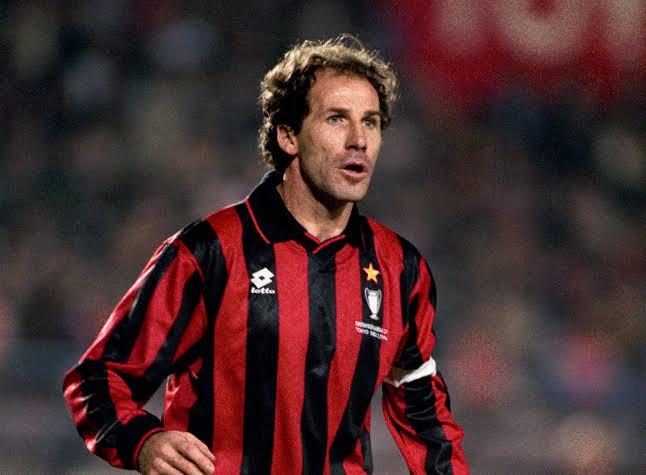
The Defender Who Changed What Defending Meant
To understand Franco Baresi's greatness, you have to first understand what defending looked like before him — and then understand why, after him, it could never look the same way again.
Defending, in the traditional sense, was a physical transaction. You stopped the man. You won the header. You made the tackle. Baresi did all of those things, of course — but they were almost incidental to what made him exceptional. What separated him from everyone who came before, and almost everyone who came after, was his mind. He read attacks before they materialised. He understood where the ball was going to be two passes before it arrived there. He reorganised an entire defensive line — communicating, positioning, demanding — with a clarity and authority that made even the finest forwards in the world feel, at the crucial moment, that there was nowhere to go.
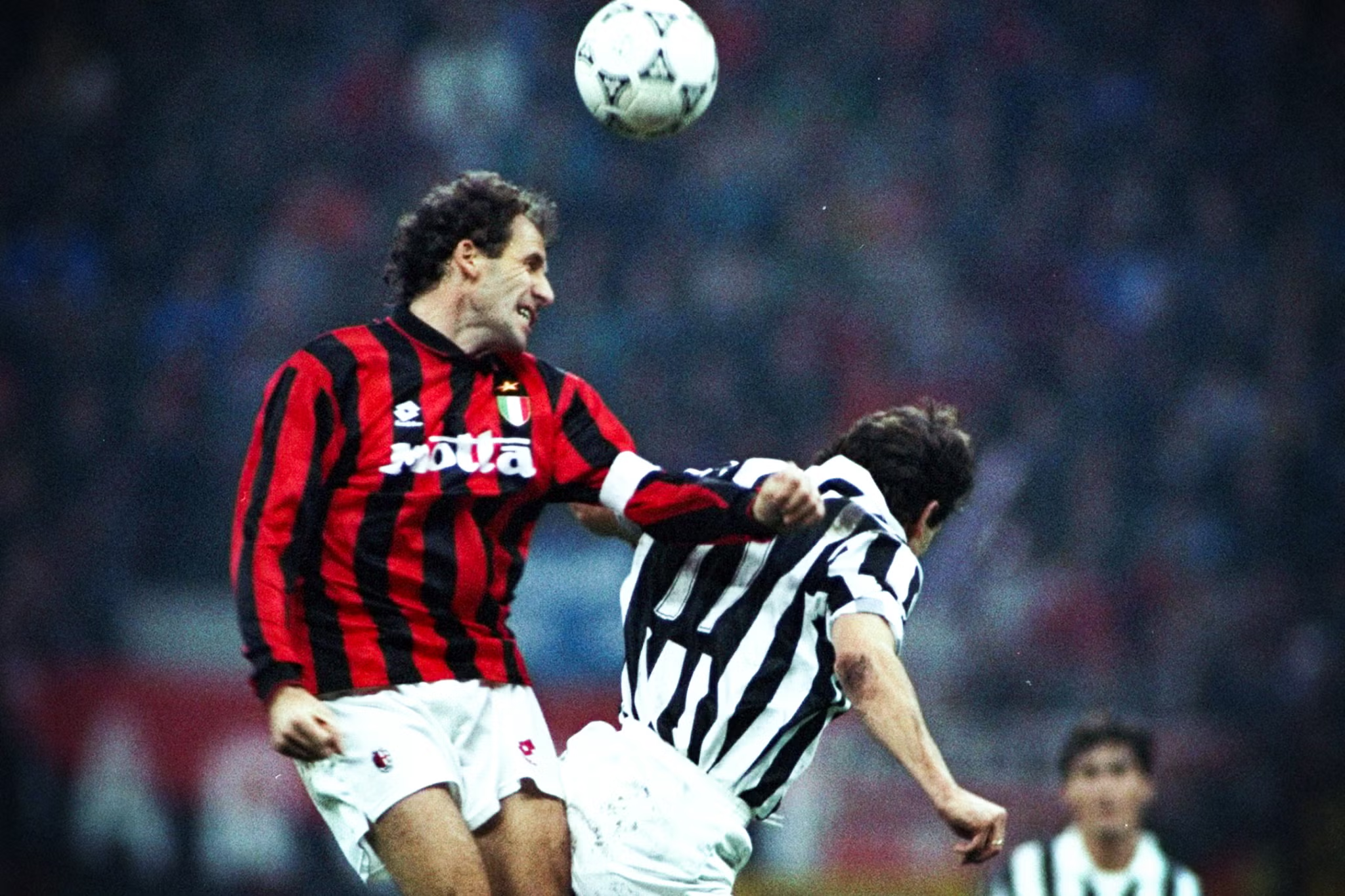
He stood 1.76 metres tall. He was not, by conventional measures, a physically imposing figure. And yet Maradona said he was the finest defender he ever faced. Pelé included him in his list of the greatest players in football history. Arrigo Sacchi, who built one of the finest club sides ever assembled, described him as the foundation upon which everything else was built. These are not the tributes paid to a good defender. These are the tributes paid to a man who changed the nature of his position.
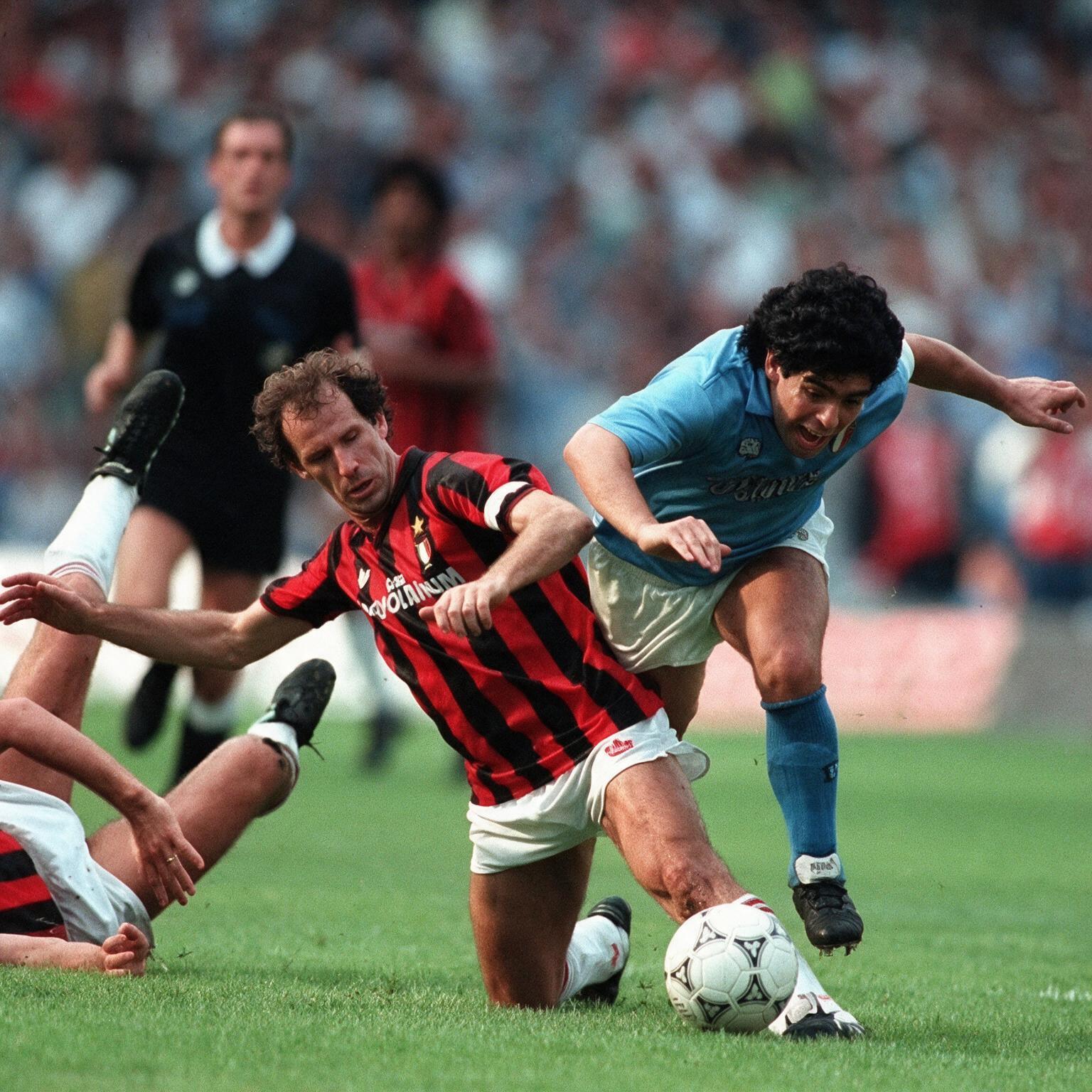
Twenty Years. One Club. One Shirt.
Baresi made 719 official appearances for Milan, captained the club for 15 seasons and won six Serie A titles and three European Cups. He earned 81 caps for Italy, was part of the squad that won the 1982 FIFA World Cup, and captained his country in the 1994 final.
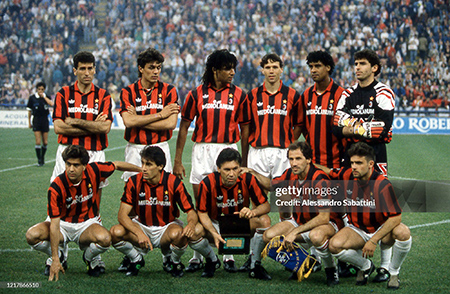
The numbers are extraordinary. But numbers alone cannot capture what twenty years at one club, with one shirt number, with one captain's armband truly means. He experienced every side of football with Milan — relegation, promotion, domestic glory, European dominance and enduring club legend status. He was there in Serie B, when the great club was humbled and needed its best to stay. He was there with Sacchi, when the sweeper system was dismantled and rebuilt around pressing and collective brilliance. He was there with Capello, when that famous 58-game unbeaten run was constructed. He was there at the end, in 1997, when he walked off the San Siro pitch for the last time and a stadium of 80,000 people rose to give him an ovation that lasted long after the lights had dimmed.
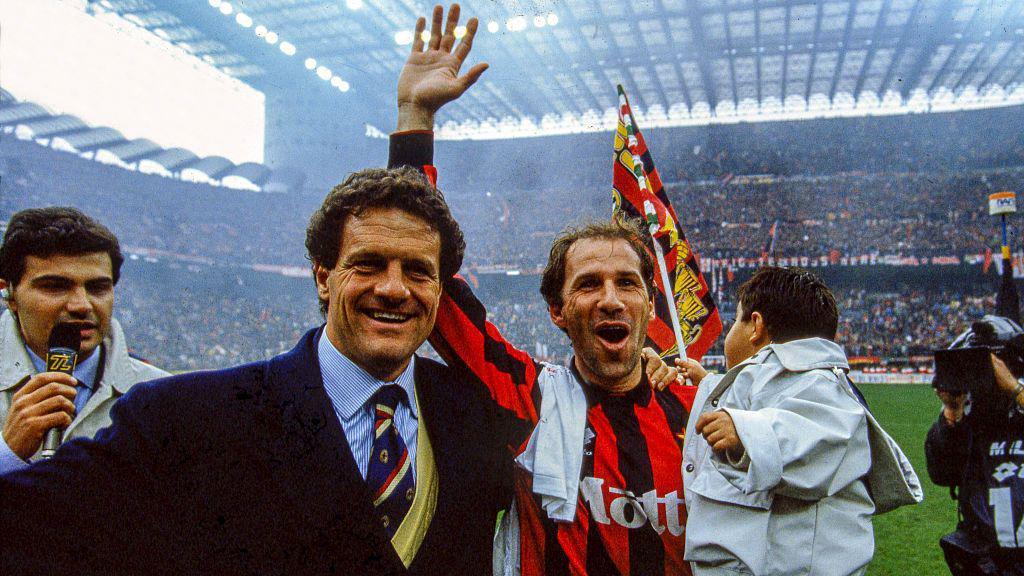
His trophy haul with Milan tells the story of an extraordinary career: six scudetti, three European Cups, two Intercontinental Cups, two UEFA Super Cups, four Italian Super Cups, two Serie B championships and one Mitropa Cup. If you stacked those trophies, they would reach the ceiling of any room. But they still would not reach the height of what he meant to the people who watched him week after week, year after year, in red and black.
The Courage of the 1994 Final
If there is one image that encapsulates the spirit of Franco Baresi — his courage, his pride, his refusal to accept limitation — it is the image of him walking to the penalty spot in Pasadena on the 17th of July 1994.
He had undergone knee surgery during the tournament. He had missed two matches. He had returned to captain Italy through the rest of the knockout rounds on willpower and experience alone, marshalling his defence with a knee that had no right to be carrying him through a World Cup final. And then, when the shootout began, Baresi — the captain, the leader, the man who had held his country together — stepped up first.
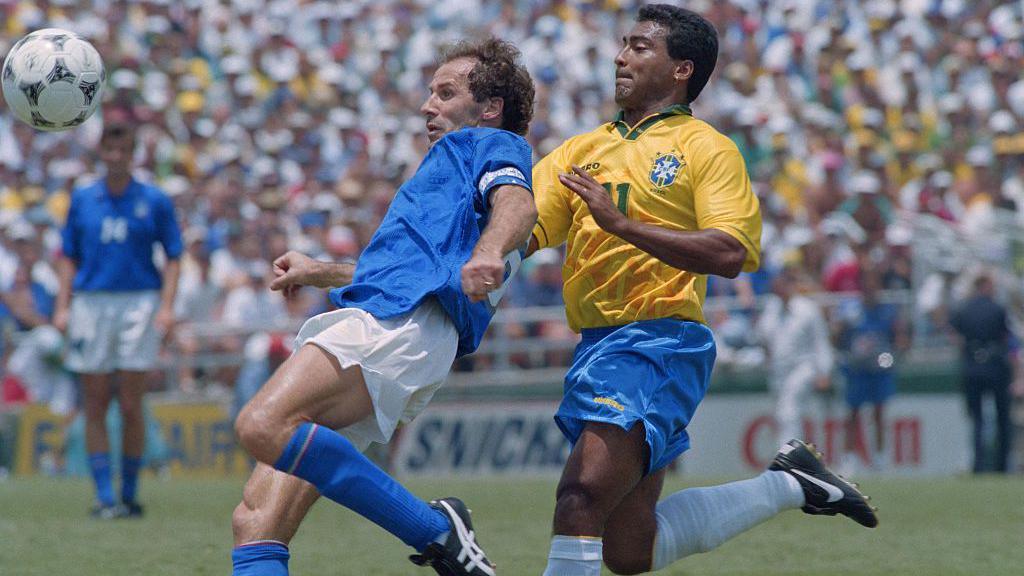
His shot cleared the crossbar. Italy lost. And in the aftermath, as Brazilian players celebrated and Italian heads dropped, Baresi stood in the centre circle and accepted the weight of that moment with the same dignity he had brought to every other moment of his career. No excuses. No drama. Just the quiet acceptance of a man who had given absolutely everything — and whose honour was in no way diminished by an outcome that the sport had decided for him.
That penalty miss, paradoxically, only made him more beloved. Because it reminded the world that Franco Baresi was human — and that even in failure, he carried himself like a champion.
The Legacy That Lives in Others
The greatest tribute to any footballer is not a statue or a retired shirt number — it is the influence that lives on in those who came after. And in that regard, Franco Baresi's legacy is almost without parallel.
Paolo Maldini, who learned what it meant to defend alongside Baresi, was among the first to pay tribute. "You taught me to fight until my very last breath, and showed me the meaning of devotion to the jersey and the value of being a true leader. You did this through your example, every single day: few words, but countless actions," Maldini wrote on Instagram. "You protected me."
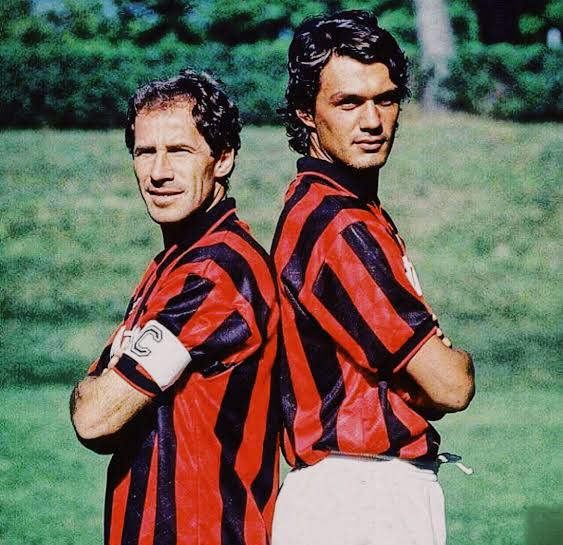
Every Italian defender of the last three decades has been measured against Baresi. Every libero. Every organising centre-back. Every defender who reads the game rather than simply reacts to it — Alessandro Nesta, Fabio Cannavaro, Giorgio Chiellini, Leonardo Bonucci — each of them carries a trace of Baresi in the way they think about the position. He did not just play football. He taught it, through the example of every game he played.
His final public reflection on AC Milan, given in an interview the previous year, was characteristically understated and deeply moving: "What feeling remains in the end? Immense gratitude."
Arrivederci, Capitano
AC Milan described him as "the Rossonero of the Century" — and few who watched him would argue with the designation. Milan owner Gerry Cardinale said: "For generations, Franco embodied the values, character and excellence that define this club. Even as he battled his greatest challenge over the last year, he was always there for the club, quietly reminding us all what it means to wear these colours. Franco's legacy is profound and will endure forever."
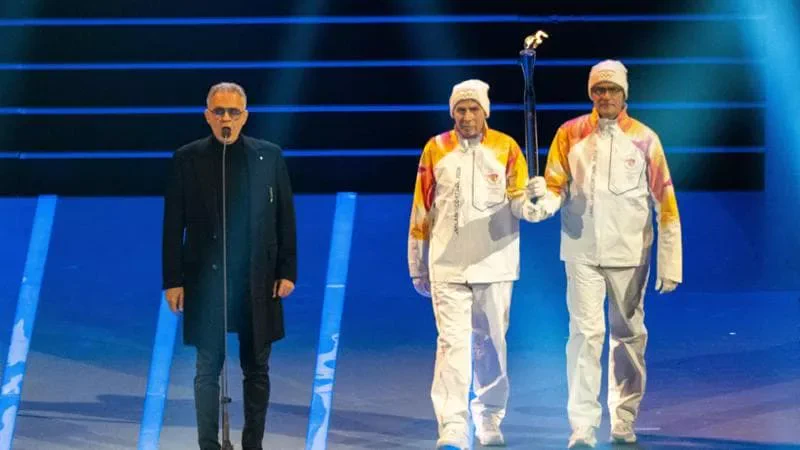
He carried the Olympic torch into San Siro in February — his final public appearance, in the stadium that had been his home for twenty years, during the Milano Cortina Winter Games. It was, in retrospect, the perfect farewell. Franco Baresi, returning to the house he built, carrying light.
The number 6 shirt hangs at San Siro, retired. It has not been worn since 1997. It will not be worn again. Some numbers, like some players, belong only to themselves.
Franco Baresi was not merely a legend of modern football. He was its gold standard. He was the proof that the most beautiful thing a defender can do is make the game look simple — and that the most beautiful thing a person can do is give a lifetime of loyalty to something they love.
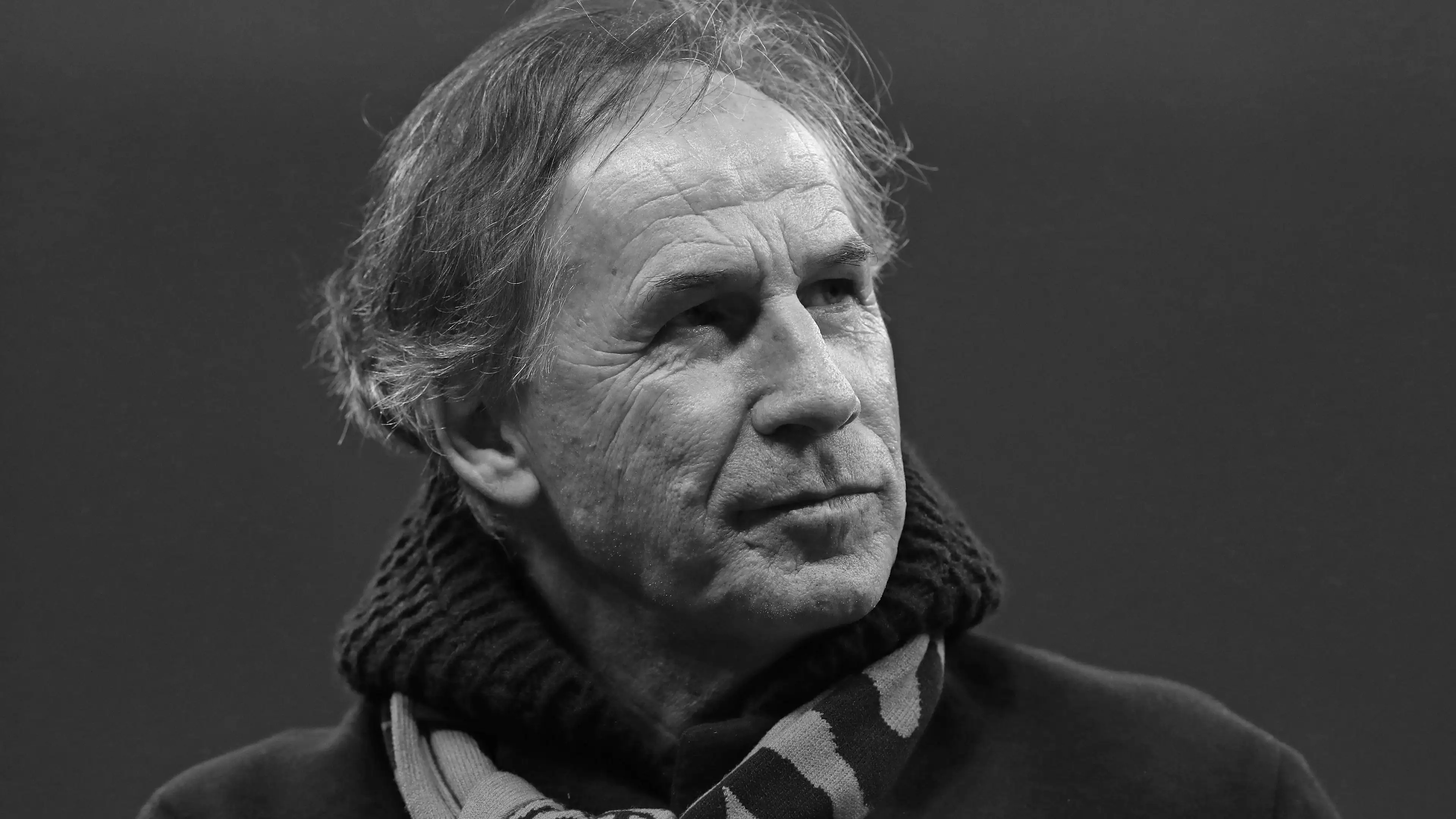
Franco Baresi — 8 May 1960 to 31 July 2026.
Riposa in pace, Capitano.

Source : Ballocentre.com
Images: Getty,Bauser FC, AC Milan